If you are rear-ended on I-285 Atlanta and blamed, call police, gather evidence, and seek medical care.
A sudden highway impact turns your commute into a stressful legal dispute instantly. The other driver may deny responsibility, claim you stopped abruptly, or blame heavy traffic. Insurance adjusters often use these false claims to delay or deny your rightful compensation. You may feel overwhelmed, worried about medical bills, and unsure where to turn next. Georgia law provides clear protections when another motorist strikes your car from behind.
Knowing how to prove fault protects your family, health, and financial recovery.
What Makes Perimeter Highway Accidents Different
Interstate 285 loops around the heart of Atlanta, carrying heavy traffic volume every single day. Commuters, freight haulers, and visitors travel this massive perimeter highway alongside each other constantly. When an I-285 crash occurs, the surrounding high speeds create severe vehicle collision forces. Disputing fault after an Atlanta highway accident is very common because traffic conditions change rapidly. Multiple vehicles often travel in tight formations across six to eight highway lanes continuously.
Sudden braking by one driver causes chain reaction slowdowns that endanger everyone behind them. Understanding these unique highway dynamics is essential when building a strong car accident claim. Highway congestion forces vehicles to travel closely at speeds that leave very little margin for error. A momentary distraction on this loop often results in multiple trailing cars colliding in rapid succession.
When you are rear-ended on I-285 Atlanta, determining exact fault requires analyzing every driver’s actions. Our firm examines highway entry points, lane position, and traffic patterns to establish what really happened.
High Speeds and Sudden Traffic Stops Around the Perimeter
Vehicles on I-285 frequently travel at speeds exceeding sixty-five miles per hour. Despite these high speeds, traffic halts abruptly due to congestion, construction, or prior accidents. A driver traveling too fast behind you cannot stop safely when forward traffic stops. This dynamic leads directly to a severe rear-end collision on busy highway lanes. Trailing motorists must maintain enough distance to stop safely regardless of sudden traffic slowdowns.
Drivers who are rear-ended on I-285 Atlanta face extreme impact forces due to highway speeds. When they fail to maintain safe distance, state law holds them responsible for damages. We analyze speed factors and traffic flow data to demonstrate exact collision causes clearly. Sudden deceleration zones are well known along the perimeter, especially near major highway interchanges. Drivers who fail to anticipate these slowdowns demonstrate clear negligence toward forward vehicles.
Proving that traffic stopped predictably helps refute claims that your stop was sudden or unexpected.
Multi-Lane Traffic Flows and Frequent Merging Hazards
Handling multiple lanes requires constant driver vigilance and proper turn signal usage. Drivers switch lanes rapidly to access major exit ramps like Interstate 75 or Interstate 85. Frequent lane changing reduces available reaction time for trailing motorists in surrounding lanes. When you are rear-ended on I-285 Atlanta, the other driver often alleges an unsafe lane change. They claim you cut in front of their vehicle immediately before impact occurred.
Proving your vehicle was established in its lane defeats these false driver statements. We collect physical roadway evidence to confirm your exact position prior to impact. Impact angles and paint transfer patterns show whether a vehicle was changing lanes or moving straight. Witness statements from nearby drivers routinely confirm that lead drivers held their lanes steadily.
Heavy Commercial Truck Traffic in Every Lane
Semi-trucks, dump trucks, and delivery vehicles fill every sector of the I-285 loop. Commercial trucks weigh up to eighty thousand pounds when fully loaded with cargo. These massive vehicles require significantly longer distances to come to a complete stop. When a heavy commercial truck hits your car from behind, physical injuries are severe. Trucking companies employ aggressive legal teams to defend against liability after accidents.
They fight every car accident claim to protect their corporate profits and insurance rates. Our law firm confronts commercial insurers directly to protect injured highway victims. Truck drivers are subject to strict federal hours of service rules and speed limits. We review driver logs, maintenance records, and telematics data to uncover trucking safety violations.
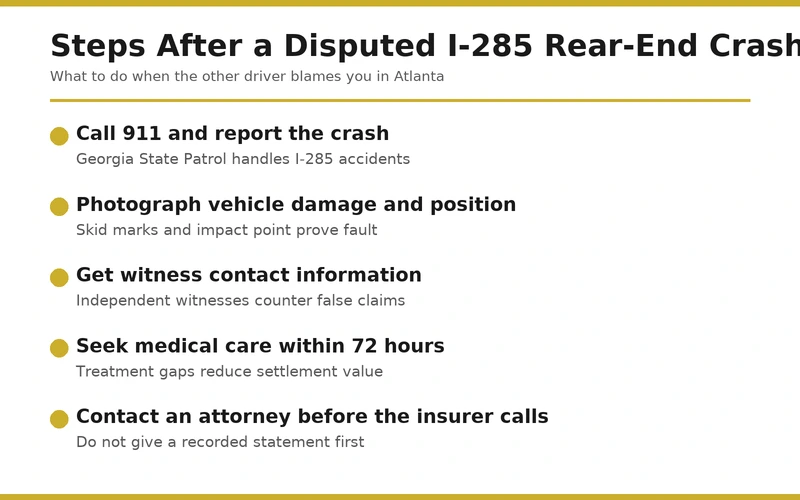
Georgia Presumptions in Rear-Impact Collisions- Call 911 and report the crash: Georgia State Patrol handles I-285 accidents
- Photograph vehicle damage and position: skid marks and impact point prove fault
- Get witness contact information: independent witnesses counter false claims
- Seek medical care within 72 hours: treatment gaps reduce settlement value
- Contact an attorney before the insurer calls: do not give a recorded statement first
Georgia statutory law establishes clear standards of care for drivers operating motor vehicles. When a trailing car strikes a lead vehicle from behind, specific legal rules apply. These legal protections assist victims during a disputed fault disagreement with insurance carriers. Being rear-ended on I-285 Atlanta creates immediate legal questions about liability and insurance coverage. We help injured individuals understand how state laws support their financial recovery.
Georgia courts consistently recognize that trailing drivers have a primary duty to avoid forward collisions. This statutory framework gives injured victims a strong starting point when pursuing justice.
Understanding the Following Too Close Statute
Under O.C.G.A. § 40-6-49, motorists must not follow another vehicle more closely than is reasonable. Drivers must consider vehicle speed, traffic density, and current weather conditions at all times. Violating this statutory requirement creates a strong legal inference of driver negligence. If you were rear-ended on I-285 Atlanta, the trailing motorist likely violated this statute. Police officers frequently cite trailing drivers for following too closely after highway collisions.
Official traffic citations provide powerful evidence of negligence during legal settlement negotiations. A citation under this statute signals to insurance adjusters that their driver violated state law.
How Legal Presumptions Help Your Case
Georgia courts apply a legal presumption of fault against the trailing motorist in collisions. The law expects drivers behind you to stay alert and maintain control. This evidentiary presumption places the burden of proof squarely on the other driver at fault. When a driver is rear-ended on I-285 Atlanta, state court precedents protect the lead driver. They must present concrete proof to explain why they failed to stop safely.
Without compelling physical proof, insurance companies cannot overcome this legal presumption easily.
Practical rule: Georgia law presumes the trailing driver caused the crash unless clear evidence shows otherwise.
This legal presumption protects lead drivers who are lawfully stopped in highway traffic. Insurance adjusters know that judges instruct juries on this legal presumption during trials.
Rebutting False Claims With Georgia Law
At fault drivers make up excuses to avoid financial responsibility for causing accidents. They often allege that your brake lights were dark or not functioning properly. Others claim you made an illegal or unexpected stop in moving traffic. Georgia law requires trailing drivers to prepare for unexpected traffic stops at all times. We use state legal precedents to dismantle false excuses raised by negligent drivers.
Our goal is ensuring full accountability for every traffic accident Georgia resident suffers. Demonstrating proper light operation and lawful driving exposes false statements quickly.
When the Other Driver Disputes Fault
It is distressing when a negligent driver refuses to admit causing an I-285 crash.
- Georgia State Patrol responds: GSP Troop D handles I-285 crashes
- Report is filed: officer documents damage, positions, and citations
- Report takes 5-7 days: available through the GSP Open Records portal
- Insurance assigned: both insurers get a copy of the official report
- Fault determination: report is advisory, not binding on either insurer
To avoid insurance premium increases, drivers often change their stories after leaving the scene. Facing false accusations after an Atlanta highway accident creates intense emotional and financial stress. If you get rear-ended on I-285 Atlanta, opposing drivers often deny their legal responsibility. Our legal team knows how to uncover truth and protect your legal rights effectively. Disputed liability delays necessary medical bill payments and property damage repairs.
We intervene quickly to prevent insurance companies from taking advantage of your situation.
Claims of Abrupt or Sudden Braking
The rear driver often claims you slammed on your vehicle brakes without reason. However, highway hazards like road debris or slowing traffic require quick braking responses. Trailing motorists must maintain safe gap distances specifically to accommodate sudden braking events. Motorists rear-ended on I-285 Atlanta should know that sudden traffic braking is entirely normal. A sudden stop by a forward driver rarely excuses a rear-end collision under law.
We demonstrate that your braking was a reasonable reaction to highway traffic flow. Establishing that forward traffic was also braking proves your stop was justified and necessary. Telematics data from surrounding vehicles often confirms widespread traffic deceleration at the scene.
Excuses Involving Bad Weather or Poor Visibility
Heavy rainstorms and dense morning fog occur frequently along the I-285 highway corridor. Negligent drivers frequently attempt to blame slick highway pavement for their collisions. Georgia law explicitly requires motorists to reduce driving speeds during poor weather conditions. Hazardous weather demands greater driver caution rather than excusing careless driving behavior. We review weather reports and road conditions to defeat weather-based defense arguments.
Practical rule: Never argue at the crash site because physical evidence and police reports establish truth.
Slick roads mean drivers must increase following distance to account for reduced tire traction.
Accusations of Unsafe Lane Changes Before Impact
The at fault driver may claim you cut directly in front of them. They argue your sudden lane entry left them zero distance to brake safely. Vehicle impact damage and debris locations reveal whether your vehicle was fully merged. When you are rear-ended on I-285 Atlanta, physical damage patterns expose false claims. Reconstruction evidence proves your vehicle was established safely in lane prior to impact.
Damage concentrated directly on the rear bumper indicates a straight rear impact rather than side sideswipe.
Evidence That Proves a Rear-End Case
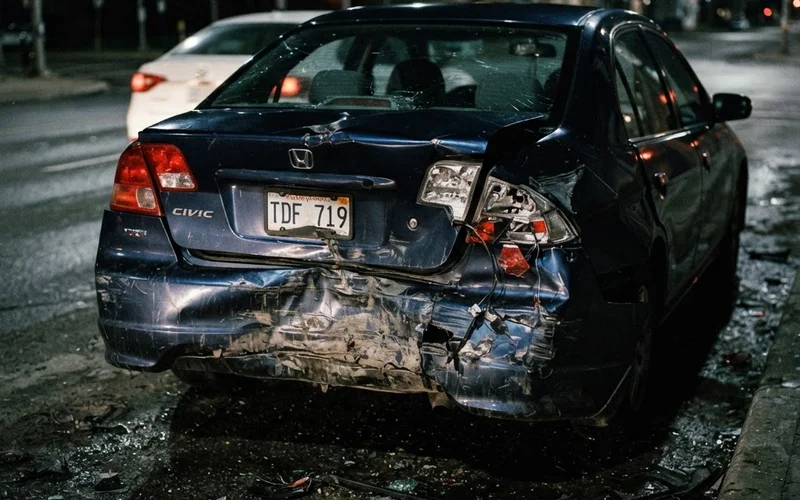
Resolving a disputed fault claim requires gathering objective, physical, and verifiable evidence quickly. Verbal assertions alone cannot convince stubborn insurance adjusters to pay full settlement values. When you get rear-ended on I-285 Atlanta, gather objective evidence to prove your damages. We launch immediate investigations to secure physical evidence before vital details are destroyed. Thorough evidence collection forms the backbone of every successful car accident claim.
Physical evidence speaks louder than conflicting driver statements after a high-speed collision.
Dashcam Footage and Traffic Camera Records
Video recordings provide clear visual evidence showing exactly how a highway collision occurred. Dashcams record vehicle speeds, lane positions, and driver responses seconds prior to impact. State highway agencies like the Georgia Governor’s Office of Highway Safety monitor perimeter traffic conditions. Federal organizations like the National Highway Traffic Safety Administration study national highway crash patterns. We request highway surveillance video immediately before recording loops are overwritten by operators.
Practical rule: Dashcam footage and independent witness statements provide strong proof against false claims.
Video footage eliminates guesswork by revealing exact vehicle speeds and braking sequences.
Neutral Eyewitness Statements from Surrounding Drivers
Bystanders and passing commuters offer unbiased accounts of highway traffic accidents. Independent witnesses have no personal or financial interest in legal claim outcomes. Witnesses who saw you get rear-ended on I-285 Atlanta can confirm you stayed in lane. Their observations regarding vehicle speeds and lane movements carry great weight in court. Securing witness contact details at the scene protects your rights against false claims. Our investigators interview witnesses quickly to preserve accurate, detailed written statements.
Neutral witness testimony frequently convinces insurance carriers to drop frivolous liability defenses.
Physical Vehicle Damage and Roadway Marks
Accident reconstruction specialists inspect crushed bumpers, metal crumple zones, and paint transfers. Tire skid marks on asphalt reveal exact braking points and pre-collision vehicle speeds. Modern vehicle event data recorders store vital information about throttle and brake inputs. This technical data proves the other driver at fault failed to slow down in time. Debris distribution across highway lanes further confirms impact location and collision severity.
Complete Medical Documentation and Treatment Records
Detailed medical records establish a direct causal link between the crash and your injuries. Emergency department reports, MRI scans, and physical therapy records document injury severity. Consistent medical care demonstrates to insurance adjusters that your physical injuries are real. Thorough medical billing records support your demand for complete financial medical reimbursement. Doctor notes detailing physical restrictions show how injuries impact your daily work and life.
What to Do at the Scene on I-285
The immediate moments after a highway collision are vital for your physical wellbeing.
- Rear-end presumption: Georgia law generally presumes the rear driver is at fault
- Sudden stop defense: front driver who stops without cause may share fault
- Comparative fault: O.C.G.A. 51-12-33 bars recovery at 50% or more
- Multiple vehicle pileups: each driver’s percentage of fault must be determined
- Dashcam footage: the most effective evidence in disputed rear-end cases
Taking correct protective steps safeguards your health and preserves your legal options. Follow these essential guidelines if you are rear-ended on I-285 Atlanta. Remaining calm helps you make clear decisions during a highly stressful emergency situation.
Prioritizing Personal Safety on Busy Highway Shoulders
Traffic on I-285 moves fast even after an accident occurs on the shoulder. If your car can move safely, pull onto the right shoulder immediately. Activate your hazard lights to warn oncoming highway drivers of danger ahead. Remain safely inside your vehicle with seatbelts secured if shoulder traffic is dangerous. The Georgia Department of Public Safety emphasizes highway safety precaution steps. Additional safety resources are available through the State of Georgia portal online.
Exiting a vehicle on a busy highway shoulder creates extreme risk of secondary strikes.
Contacting Law Enforcement for an Official Police Report
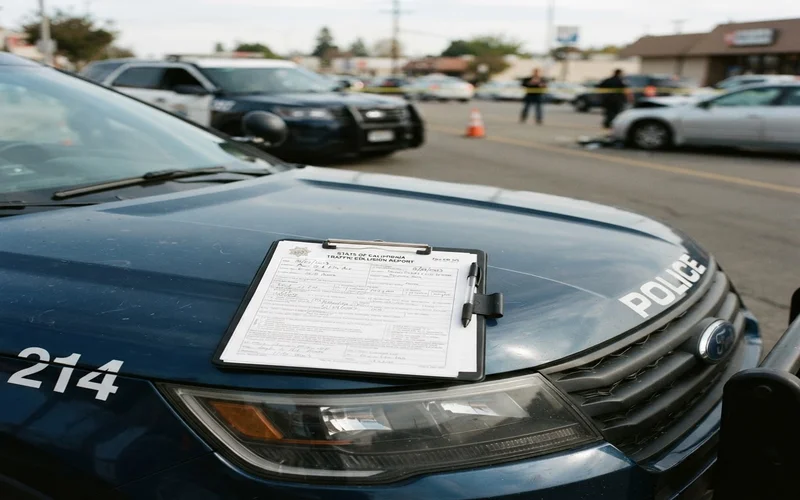
Call 911 immediately following any traffic accident Georgia drivers experience. State troopers or local police officers will respond to investigate the scene. Officers take statements, document physical damage, and issue citations to negligent drivers. The official police report serves as vital documentation for your insurance claim. Ensure the responding officer records your exact version of how the collision happened.
Documenting Scene Details and Vehicle Positions
Use your mobile phone camera to capture clear photos of all involved vehicles. Take wide photographs showing vehicle positions relative to highway lanes and exits. Photograph skid marks, vehicle damage, debris, weather conditions, and visible bodily injuries. Thorough visual documentation prevents the other driver from changing facts later on.
Practical rule: Seek immediate medical evaluation to create an official link between the crash and your injuries.
Exchange insurance details, phone numbers, and driver license numbers with all motorists involved.
Dealing With Insurance Adjusters After Disputed Rear Collisions
Insurance companies operate as profit-driven businesses seeking to minimize financial claim payouts. Adjusters aggressively seek reasons to delay, reduce, or deny valid injury claims. When fault is disputed, insurance representatives use pressure tactics against unrepresented victims. Victims rear-ended on I-285 Atlanta must deal with aggressive insurance adjusters after crashes. Partnering with a dedicated personal injury attorney protects you from unfair insurance practices. We handle all insurance communications so you can focus entirely on physical healing.
Why Insurance Companies Deny Valid Claims Early
Insurance adjusters use initial driver disputes to issue quick claim denials. They hope injured victims will accept denial letters without challenging insurance decisions. Insurers know unrepresented claimants often lack resources to pursue prolonged legal disputes. Rejecting early settlement demands saves insurance corporations millions of dollars every year. We challenge improper claim denials forcefully using facts, law, and physical evidence. Insurers reconsider denial positions quickly when confronted with thorough trial preparation.
Refusing Recorded Statements Without Legal Guidance
Opposing insurance adjusters will call quickly asking for recorded audio statements. They ask trick questions designed to make you admit partial fault inadvertently. You have no legal obligation to provide recorded statements to opposing insurers. Decline their requests politely until you consult with qualified legal counsel first.
Practical rule: Decline recorded insurance statements until you consult a qualified lawyer regarding your rights.
Answering insurance questions without legal advice can severely harm your financial recovery.
Proving Your Financial Losses and Damages
Fair compensation covers medical expenses, lost wages, and emotional pain and suffering. We document future treatment costs, therapy expenses, and lost career earning capacity. Presenting detailed financial records forces insurance adjusters to negotiate in good faith. We fight determinedly to recover full compensation for every hardship you endured. Every medical bill and lost work hour is calculated to demand full restitution.
When to Call a Lawyer for a Highway Rear-End Case
Attempting to handle a disputed highway collision alone creates unnecessary stress and financial risk.
| Evidence Type | How It Helps Your Case |
| Police report | Documents damage, positions, and any citations issued |
| Dashcam footage | Shows exact moment of impact and vehicle positions |
| Witness statements | Independent accounts that counter the other driver’s claims |
| Vehicle damage photos | Impact location proves rear-end collision pattern |
| Medical records | Connects injuries directly to the crash |
| Traffic camera footage | GDOT cameras on I-285 may have captured the crash |
Having skilled legal representation ensures your rights are protected against corporate legal teams. If you were rear-ended on I-285 Atlanta, contacting a lawyer protects your financial rights. Our law firm provides compassionate legal support to help you rebuild your life. We stand beside you through every step of the legal process with unwavering commitment.
Handling Severe Physical Injuries and Growing Bills
High-speed highway crashes cause severe spinal trauma, whiplash, and traumatic brain injuries. Medical bills stack up quickly while physical injuries keep you from working. An experienced Atlanta car accident lawyer manages all insurance negotiations on your behalf. Retaining a knowledgeable Atlanta personal injury attorney ensures full financial recovery protection. Lead advocate Desmond Humphrey brings empathetic leadership and legal skill to every client. Our legal team fights to recover maximum compensation for long term medical care.
Uncovering Commercial Truck Data in Highway Accidents
When commercial vehicles cause crashes, corporate rapid response teams arrive immediately. We subpoena black box data, electronic logging records, and driver maintenance files. Our College Park legal team acts swiftly to preserve vital commercial truck evidence. Our South Fulton office serves injured drivers across the entire metro region. Preserving digital truck records before deletion is vital for building commercial liability cases.
Meeting Strict Georgia Legal Filing Deadlines
Georgia law sets strict time limits for filing personal injury court lawsuits. Failing to file your lawsuit within two years bars recovery permanently. Taking prompt legal action preserves vital evidence and protects your courtroom rights. Contacting our law firm early gives us time to build the strongest case. Starting early allows our investigators to locate witnesses while memories remain fresh.
Frequently Asked Questions About Disputed Highway Collisions
Here are answers to common questions asked by drivers injured on Atlanta highways.
| Question | Answer |
|---|---|
| What if the other driver lies to police after an I-285 crash? | Remain calm and provide police with your factual statement. Physical evidence, dashcam footage, and witness reports often disprove false statements quickly. |
| Can I still recover money if Georgia traffic fault is disputed? | Yes. Georgia uses comparative fault rules. As long as you are less than 50 percent responsible, you can recover financial compensation. |
| How does O.C.G.A. § 40-6-49 affect my rear-end crash claim? | This law requires drivers to maintain safe following distances. Violations create a strong legal presumption that the rear driver was negligent. |
| What should I do if the insurance company denies my claim? | Do not accept an initial denial. Contact an experienced legal advocate who can gather physical evidence and challenge unfair insurance decisions. |
| How long do I have to file a highway accident claim in Georgia? | Georgia law gives you two years from the collision date to file a personal injury lawsuit against responsible parties. |
| Why is I-285 considered so dangerous for Atlanta motorists? | High speeds, heavy commercial truck traffic, multiple lane switches, and sudden congestion create constant collision hazards daily across the perimeter. |
| Should I give a recorded statement to the opposing insurer? | No. Insurance adjusters use recorded statements to limit payouts. Speak with legal representation before answering insurer questions. |
Taking Action After Being Rear-Ended on I-285 in Atlanta
If you were rear-ended on I-285 Atlanta, you do not have to fight insurance companies alone. I have been on both sides of these cases. Here is what they do not want you to know, and here is how we use it against them. Call Humphrey & Ballard Law today at (404) 446-9854 or visit our contact page for help.
About David Ballard
David Ballard is a former Atlanta prosecutor who switched to the plaintiff’s side. He knows exactly how insurance companies build their arguments because he used to be on the other side. Our firm serves Atlanta with strategic, aggressive representation for injury victims across College Park, South Fulton, East Point, Fairburn, Riverdale, and throughout Georgia.
