Atlanta Catastrophic Injury Lawyer
A catastrophic injury permanently changes how a person lives, works, and functions. These injuries include amputations, paralysis, severe burns, and organ damage. In Georgia, a catastrophic injury claim differs from a standard personal injury case because the costs and recovery span years. An Atlanta catastrophic injury lawyer builds a claim that accounts for decades of treatment, not just the hospital stay. Medical costs, lost income, and long-term rehabilitation all factor into the settlement value. A properly structured claim can mean the difference between one that runs out and one that provides for years.
What Counts as a Catastrophic Injury in Georgia
A catastrophic injury permanently changes how a person lives, works, and functions. These injuries go beyond broken bones or whiplash. They include amputations, organ failure, paralysis, and severe burns that require ongoing medical care. Under O.C.G.A. § 51-12-4, Georgia law recognizes damages for both current and future medical expenses tied to these injuries. An Atlanta catastrophic injury lawyer builds a claim that accounts for decades of treatment, not just the first hospital stay.
Amputations and Limb Loss Claims
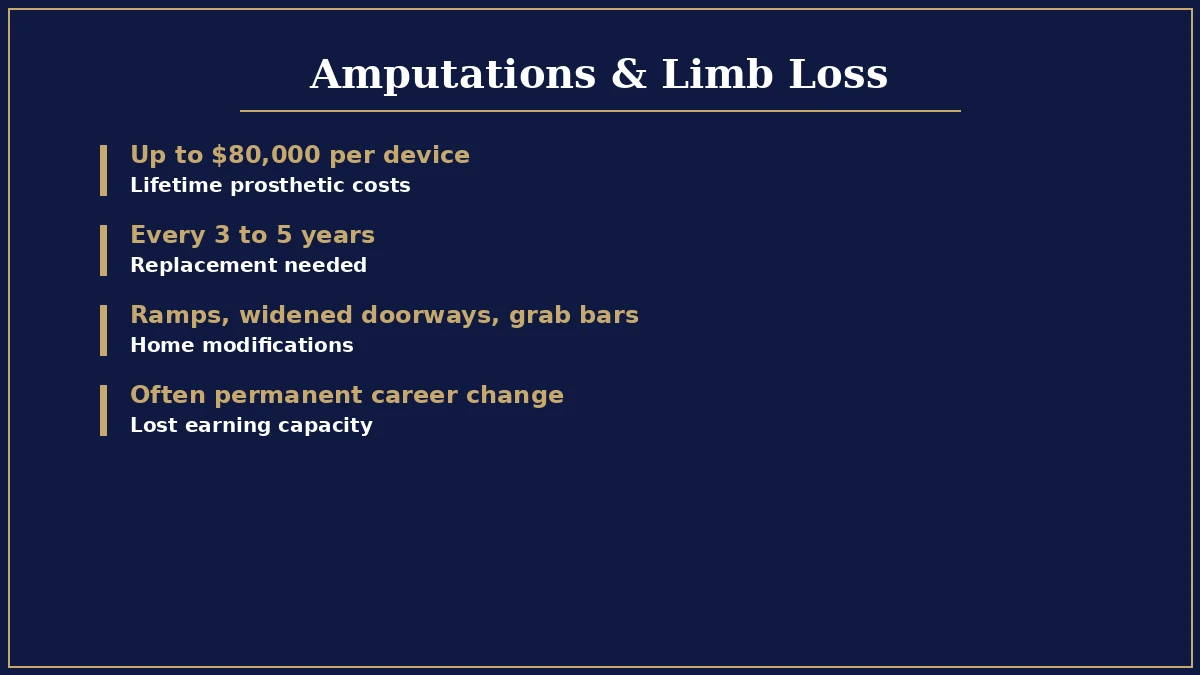
Losing a hand, finger, foot, or full limb changes every part of daily life. An Atlanta amputation attorney pursues compensation for prosthetic devices, physical therapy, home modifications, and lost earning capacity. Many amputations result from car accidents, workplace accidents, or commercial truck collisions. The cost of a single prosthetic arm can exceed $80,000, and replacement is needed every few years. Your Atlanta catastrophic injury lawyer calculates lifetime medical costs, not just the initial surgery. This ensures the settlement covers future prosthetic needs.
Internal Trauma and Organ Damage
Internal bleeding, organ damage, and crush syndrome are life-threatening injuries that may not show symptoms immediately. An internal organ damage lawyer understands how these injuries develop after trauma. They sometimes worsen days after the accident. Catastrophic injury claims involving internal trauma often require expert medical testimony to connect the injury to the crash. Under O.C.G.A. § 51-12-33, Georgia follows modified comparative negligence. Your compensation could be reduced if you share partial fault. Your Atlanta catastrophic injury lawyer works to minimize fault assignments and maximize your recovery.
Neurological Injuries and Paralysis
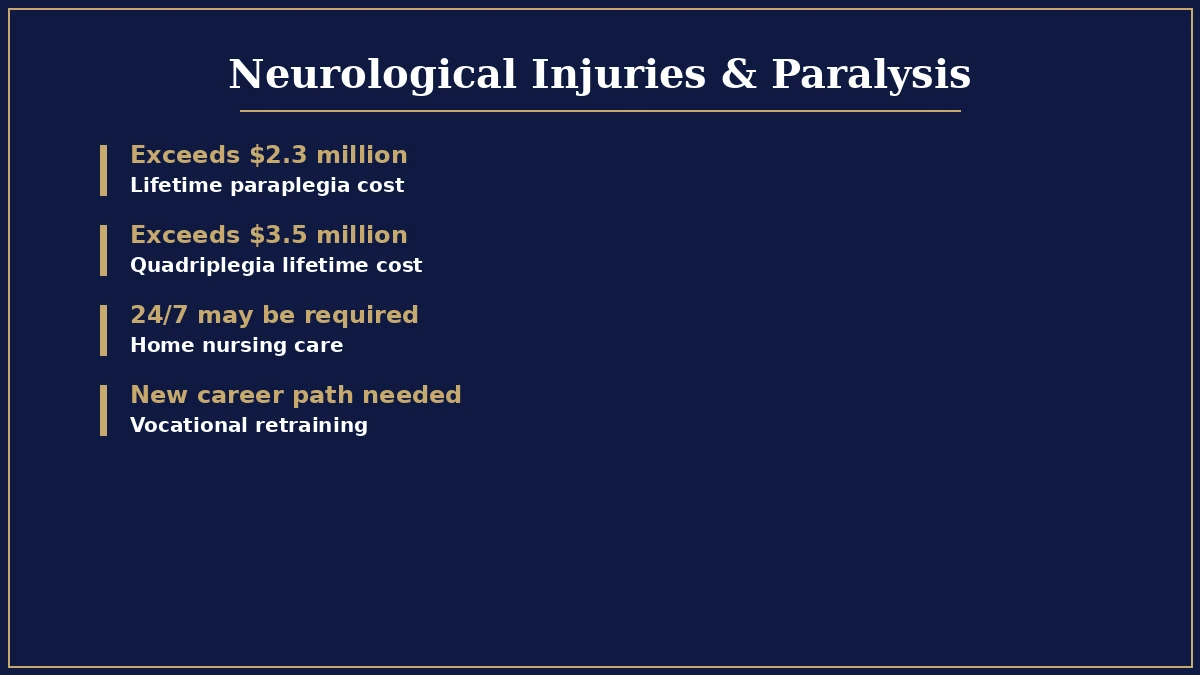
Spinal cord trauma, quadriplegia, paraplegia, and persistent coma represent the most severe neurological injuries. A full paralysis attorney Atlanta firm handles claims where the victim will never walk again. According to the National Spinal Cord Injury Statistical Center, the lifetime cost of paraplegia can exceed $2.3 million. Spinal cord injury cases require testimony from medical economists who project decades of care. Your Atlanta catastrophic injury lawyer partners with these specialists to build a strong claim. This covers wheelchair access, home nursing, and vocational retraining.
Crush Trauma and Severe Fractures
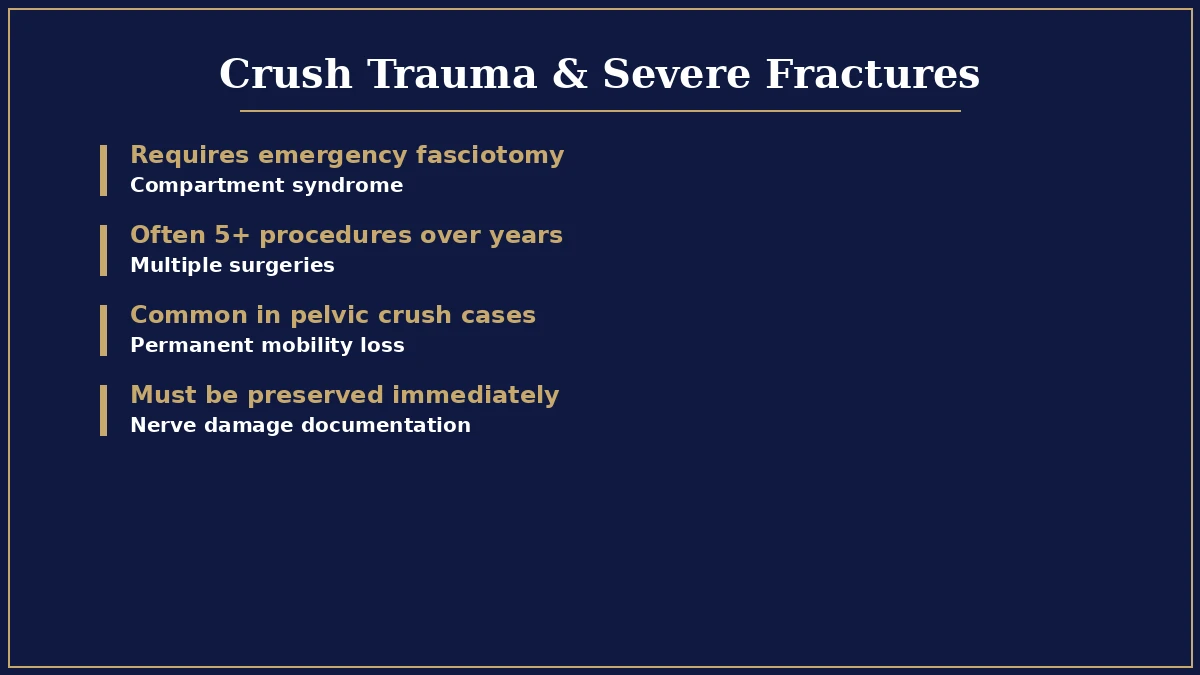
Crushed pelvis, crushed hands, and severe tissue damage often result from industrial accidents or commercial vehicle collisions. A severe crush injury lawyer knows these cases involve compartment syndrome, multiple surgeries, and permanent mobility loss. Traumatic brain injury can also accompany crush trauma when the head absorbs impact force. These injuries require immediate documentation of nerve damage and tissue loss. Orthopedic fracture claims and catastrophic crush cases often overlap. Your Atlanta catastrophic injury lawyer secures accident scene photos, medical records, and witness statements before they disappear.
Permanent Disfigurement and Burn Injuries
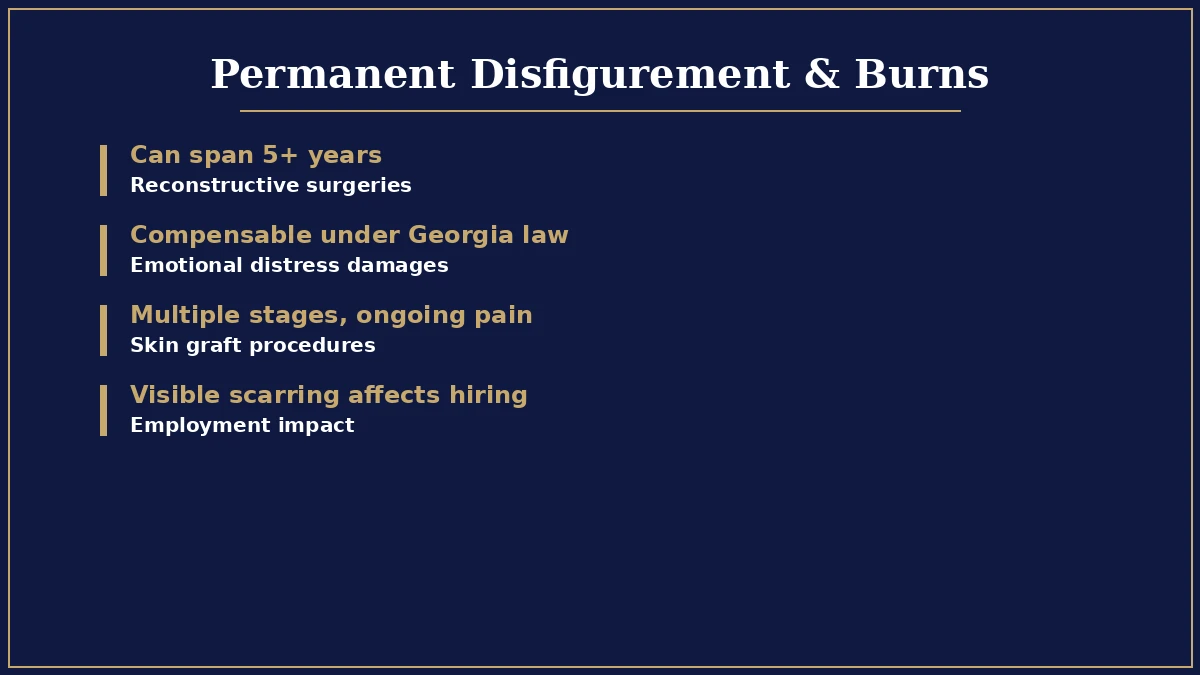
Facial trauma, scarring, and catastrophic burns carry both physical and psychological consequences. Reconstructive surgeries can span years, and the emotional impact of visible scarring lasts a lifetime. An Atlanta catastrophic injury lawyer works with plastic surgeons and mental health professionals to document disfigurement. Georgia law allows compensation for the emotional distress that accompanies permanent changes to appearance. Personal injury attorneys at Humphrey & Ballard understand how scarring affects employment and relationships. They see the impact on quality of life in the communities they serve.
Severe Environmental and Hypoxic Trauma
Not all catastrophic injuries come from car crashes or falls. Environmental trauma from drowning, oxygen deprivation, and extreme temperatures can cause permanent brain damage or death. An Atlanta catastrophic injury lawyer handles these cases with the same level of investigation and medical documentation. Property owners, employers, and negligent parties can all be held accountable for environmental injuries.
Drowning and Near-Drowning Injuries
Drowning does not always result in death. Near-drowning can cause hypoxic brain damage that lasts a lifetime. Pool accidents, boating incidents, and unsupervised swimming areas often involve negligence. Secondary drowning is a delayed complication where fluid builds in the lungs hours after immersion. Brain injury from oxygen deprivation may not appear until days after the incident. Your attorney works with neurologists to document the full extent of hypoxic damage.
Asphyxiation and Oxygen Deprivation
Asphyxiation can result from choking, strangulation, carbon monoxide exposure, or confined spaces. Hypoxic brain injury is the most severe consequence of oxygen deprivation. In premises liability cases, improper ventilation or gas leaks can cause asphyxiation. Workers in confined spaces face high risk of oxygen deprivation on the job. The severity of brain damage depends on how long the brain went without oxygen. Your attorney documents the injury mechanism and connects it to long-term cognitive impairment.
Hypothermia and Cold Exposure Injuries
Hypothermia can result from prolonged exposure after an accident or water immersion. Severe hypothermia causes tissue damage, organ failure, and can be fatal. Frostbite from cold exposure may lead to amputation of fingers, toes, or limbs. Outdoor workers stranded in cold conditions and accident victims trapped in vehicles are at risk. Hypothermia injuries often involve negligence by employers, property owners, or responsible parties. Your attorney documents the exposure timeline and connects it to the resulting injuries.
Hyperthermia and Heat-Related Trauma
Heat stroke is the most severe form of hyperthermia and can cause organ failure. Being trapped in a hot vehicle or building can lead to fatal heat exposure. Outdoor workers in Georgia summer heat face high risk of heat-related injuries. Hyperthermia can cause permanent brain damage and kidney failure in severe cases. Employers who fail to provide adequate hydration and shade breaks may be liable. Your attorney documents working conditions and heat exposure to build the claim.
Deep Systemic and Torso Traumas
Torso injuries affect vital organs and can be life-threatening even without visible external damage. An Atlanta catastrophic injury lawyer works with trauma surgeons and internal medicine specialists to document these injuries. Many torso traumas are initially missed because the symptoms develop hours or days after the accident.
Collapsed Lung (Pneumothorax)
A collapsed lung, or pneumothorax, can result from rib fractures or penetrating chest trauma. Tension pneumothorax is a life-threatening emergency that requires immediate decompression. Treatment involves chest tube placement and extended hospitalization in most cases. Long-term breathing difficulty and reduced lung capacity are common after a collapsed lung. Your attorney documents the fracture source and connects it to the lung injury for the claim.
Chest Wall Injuries
Chest wall injuries include rib fractures, sternal fractures, and flail chest. Flail chest is a severe injury where multiple ribs break in multiple places. This causes a section of the chest wall to move independently during breathing. Flail chest often requires surgical stabilization and extended intensive care. Long-term chronic pain and breathing difficulty are common complications. Your attorney documents the full impact on respiratory function and daily activities.
Kidney Injury and Organ Rupture
Blunt force trauma to the abdomen can rupture the kidney or other internal organs. Severe kidney injury may require nephrectomy, which is surgical removal of the kidney. Loss of a kidney affects long-term health and may limit future employment opportunities. Dialysis may be needed temporarily or permanently after severe kidney damage. Your attorney documents the surgical records and connects the organ injury to the accident.
Abdominal Trauma and Internal Bleeding
Abdominal trauma can involve liver laceration, spleen rupture, or bowel perforation. Internal bleeding from abdominal trauma is life-threatening and may not show external signs. Emergency laparotomy is often needed to stop the bleeding and repair damaged organs. Long-term digestive problems and chronic pain are common after abdominal surgery. Your attorney works with trauma surgeons to document the full extent of internal injuries.
Blood Clots from Injury
Blood clots can develop after trauma, surgery, or extended immobilization from a fracture. Deep vein thrombosis, or DVT, is a common complication of orthopedic injuries. Pulmonary embolism is a life-threatening condition where a clot travels to the lungs. Insurance companies often fail to connect blood clots to the original injury. Your Atlanta catastrophic injury lawyer documents the medical timeline from injury to clot formation.
Extreme Penetrating and Blunt Traumas
Penetrating and blunt force injuries cause some of the most severe trauma seen in Atlanta emergency rooms. An Atlanta catastrophic injury lawyer investigates the circumstances behind these injuries to identify all liable parties. These cases often involve negligent security, premises liability, or third-party criminal acts.
Gunshot Wounds
Gunshot wounds can cause organ damage, nerve injury, and permanent disability. Bullet fragments may remain in the body and cause long-term complications years later. Infection risk is high with gunshot wounds, requiring extended antibiotic treatment. Gunshot injury cases may involve negligent security claims against property owners who failed to provide adequate protection. Your attorney works with investigators to establish liability and document the full medical impact.
Blunt Force Trauma
Blunt force trauma can cause internal organ damage without visible external injury. This makes it easy to miss during initial examination after an accident. Blunt trauma can result from car accidents, assaults, or falling objects at work. Internal bleeding may develop hours after the injury, creating a life-threatening delay. Your attorney ensures emergency medical records document the mechanism of injury and delayed symptoms.
Deep Tissue Injury and Crush Syndrome
Deep tissue injuries can develop into compartment syndrome if not treated quickly. Compartment syndrome occurs when pressure builds within muscle compartments, cutting off blood flow. This condition requires emergency fasciotomy surgery to prevent permanent tissue death. If untreated, deep tissue injuries can lead to tissue necrosis and amputation. Wrongful death cases sometimes result from untreated crush syndrome. Your attorney documents the timeline from injury to diagnosis and treatment.
What Compensation Covers in Catastrophic Cases
Catastrophic injury claims demand a different calculation than standard personal injury cases. The compensation must cover emergency surgery, rehabilitation, long-term nursing care, and home modifications. It also includes lost future earnings. An Atlanta catastrophic injury lawyer also pursues non-economic damages for pain, suffering, and loss of enjoyment of life. In cases involving gross negligence, Georgia permits punitive damages to punish reckless conduct. The settlement must support the victim for decades, not just months. Your Atlanta catastrophic injury lawyer ensures no future cost is overlooked.
Filing a Catastrophic Injury Claim in Georgia
Georgia gives injury victims two years from the accident date to file a lawsuit. This deadline is set by O.C.G.A. § 9-3-33. For catastrophic injuries, this deadline matters even more because evidence of long-term damage takes time to document. An Atlanta catastrophic injury lawyer begins building the claim immediately. This includes gathering medical records, accident reports, and expert opinions. Insurance companies often pressure victims to settle early, before the full extent of the injury is known. Settling too soon can leave families without resources for ongoing care.
Why Humphrey & Ballard Law Handles These Cases Differently
Desmond Humphrey and David Ballard built their firm on serving Atlanta’s working families. They represent those facing life-altering injuries. As a Black-owned firm rooted in South Fulton, they understand how catastrophic injuries affect entire households. An Atlanta catastrophic injury lawyer at Humphrey & Ballard treats each case as a partnership with the injured family. Their approach includes working with medical economists, life-care planners, and rehabilitation specialists. They operate on contingency, meaning families pay nothing unless the firm wins. Wrongful death and catastrophic injury cases share the same foundation of accountability.
Frequently Asked Questions
| Question | Answer |
|---|---|
| What does an Atlanta catastrophic injury lawyer do? | They investigate the accident and document the full extent of permanent injuries. They work with medical specialists to pursue compensation for lifetime medical costs, lost income, and pain and suffering. |
| How long do I have to file a catastrophic injury claim in Georgia? | Georgia law gives you two years from the date of the injury under O.C.G.A. § 9-3-33. An Atlanta catastrophic injury lawyer can ensure this deadline is met. |
| How much does it cost to hire an Atlanta catastrophic injury lawyer? | Humphrey & Ballard Law works on contingency. You pay nothing unless the firm secures compensation for your catastrophic injury claims. |
Get Help From an Atlanta Catastrophic Injury Lawyer Today
If your family is facing the aftermath of a life-changing injury, Humphrey & Ballard Law is ready to help. An Atlanta catastrophic injury lawyer on their team will review your case at no cost. Call (404) 446-9854 or visit the contact page to schedule a free consultation. There are no fees unless they win your case.
About Humphrey & Ballard Law
Humphrey & Ballard Law is a Black-owned personal injury firm based in Atlanta, Georgia. Founders Desmond Humphrey and David Ballard serve clients across South Fulton, College Park, Riverdale, East Point, and Fairburn. They also serve the greater Atlanta area. The firm handles catastrophic injury claims, car accidents, truck accidents, and wrongful death. Premises liability cases are also handled on a contingency fee basis. Clients pay nothing unless the firm wins.
