When a traumatic amputation happens, your life changes in an instant. Losing a limb—whether a finger, toe, foot, leg, or arm—forces you to rebuild everything: your mobility, your career, your independence. If your amputation happened because someone else was negligent, you have the right to hold them accountable. An amputation injury lawyer fights to get you the full compensation you deserve for your catastrophic losses. At Humphrey & Ballard Law, we’ve helped amputation victims rebuild their lives by securing settlements that cover medical costs, prosthetics, lost wages, and the pain of permanent disability.
What Counts as an Amputation Injury
An amputation is the surgical or traumatic loss of a body part. In personal injury law, “amputation” covers any situation where a limb, digit, or extremity is severed or removed—whether that happens at the moment of the accident or during emergency medical care. Every amputation is catastrophic because it’s permanent.
Types of Amputation Injuries
Traumatic amputation happens instantly during an accident. A limb is crushed, severed, or mangled beyond repair during a truck collision, machinery accident, or workplace incident. When you need an amputation injury lawyer, it’s often because in seconds, a person loses a hand, foot, or leg.
Surgical amputation follows when emergency doctors have no choice but to remove the limb to save your life. A crushing injury, severe infection, or tissue death makes the limb unsalvageable. Doctors amputate to prevent sepsis, shock, and death.
Partial amputations involve the loss of fingers, toes, or portions of hands and feet. These are still catastrophic—losing your dominant hand’s index and middle fingers changes how you work, write, and live.
Complete amputations remove entire limbs. An amputation injury lawyer handles cases involving above-the-knee (AK) amputation, below-the-knee (BK) amputation, bilateral amputation (both legs), or upper-limb amputation—each has its own recovery timeline and lifetime costs.
How Amputation Differs From Other Injuries
An amputation injury is uniquely catastrophic because the loss is permanent and visible. A spinal cord injury might improve slightly with therapy. A traumatic brain injury might show unexpected recovery. But an amputation is final. You will never naturally regrow a leg. This permanence means lifelong medical care, lifelong prosthetic replacement, and lifelong adaptation.
The visible nature of amputation also affects employment, relationships, and social integration. Employers may be reluctant to hire amputees. Dating and marriage become more complicated. Simply existing in public—walking through a store, going to a restaurant—requires physical adaptation and often emotional resilience against discrimination.
Practical rule: Any permanent loss of a body part due to someone else’s negligence is grounds for a personal injury claim. The responsible party pays for your lifetime losses, both economic and psychological.
How Amputation Injuries Happen in Georgia
Amputation injuries don’t happen by accident—they happen because someone failed to follow safety rules, maintain equipment, or drive safely. In Georgia, the most common causes are vehicle collisions, workplace accidents, and machinery failures.

Motor Vehicle Accidents
A 18-wheeler accident T-bones your car at an intersection. Your leg is crushed in the impact. Amputation is the only option. A drunk driver hits a motorcycle, severing the rider’s leg. A motor vehicle amputation injury often requires a lawyer to recover full damages. These accidents happen because negligent drivers ignore traffic laws, drive impaired, or fail to yield.
Georgia law requires all drivers to exercise reasonable care. When they don’t—when they speed, text while driving, or run red lights—they’re liable for every injury, including amputation. In a motor vehicle amputation case, the at-fault driver, their insurance company, and potentially the vehicle manufacturer (if there’s a defective safety feature) are all liable.
Large truck amputation cases are particularly serious. Commercial vehicles cause catastrophic injuries because of their size and weight. Truck drivers have special duties under Georgia law and federal regulations. A speeding truck, improper lane change, or failure to maintain brakes is negligence that can destroy a person’s life.
Workplace Amputation Injuries
A factory worker’s arm gets caught in an unguarded machine press. A warehouse employee’s hand is crushed during loading dock operations. A construction worker’s leg is severed by a faulty saw blade. These injuries happen because employers skip safety protocols or fail to maintain equipment.
If your employer—or a negligent third party at your workplace—caused your amputation, you have a claim. When you suffer an amputation injury, a skilled amputation injury lawyer cases often involve multiple liable parties: the equipment manufacturer, the maintenance contractor, the site supervisor, and the employer.
Georgia employers are required by law to maintain safe working conditions. They must provide guards on machinery, proper training, and working safety equipment. When they cut corners to save money, they create conditions for amputation. Their negligence is actionable.
Even if you receive workers’ compensation benefits, you can still sue the negligent party in a third-party claim. Your workers’ comp covers medical costs and partial lost wages, but a personal injury lawsuit can recover full damages—medical costs, prosthetics, lost wages, pain and suffering, and loss of enjoyment of life.
Machinery and Equipment Failures
Product defects cause amputation injury cases every day. A defective power tool, a malfunctioning agricultural machine, or improperly guarded industrial equipment causes amputation every day. Product manufacturers have a duty to make safe equipment and warn users of hazards. When they fail, they’re liable for resulting amputations.
Manufacturers know that unguarded machinery can cause amputation. They choose not to add guards or warning labels because safety features cost money. This is “design defect”—the product is unreasonably dangerous even when used as intended. Under Georgia law, manufacturers are strictly liable for design defects.
There’s also “failure to warn.” Manufacturers must warn users of known hazards. If a power saw blade can cause finger amputation, the manual must warn of that. If a hydraulic press can crush hands, the warning label must be clear and prominent. Failure to warn is another path to manufacturer liability.
Practical rule: If machinery, equipment, or a vehicle caused your amputation because of negligence, design defect, or lack of proper safeguards, multiple parties may be liable—and each one owes you damages. An attorney investigates all responsible parties.
The Lifetime Cost of Amputation
Most people underestimate the true cost of living with an amputation. The expenses don’t end after surgery. They compound over a lifetime. Your amputation injury lawyer will work with a comprehensive amputation injury attorney to calculate every category of damages so you recover your full losses.
Medical and Surgical Costs
An amputation injury requires emergency treatment. Surgery, hospital stays, infection management, and follow-up procedures run into hundreds of thousands of dollars. A single amputation procedure costs $30,000–$100,000+ depending on the limb, the severity, and complications. Infections, phantom pain management, and re-operations multiply that cost.
According to CDC research, many amputees develop phantom limb pain—the sensation that the missing limb is still there, often with severe pain. Managing phantom pain requires ongoing medications, nerve blocks, therapy, and sometimes additional surgery. Costs add up to tens of thousands over a lifetime.
Infections are common in amputation cases. The surgical wound, the scar tissue, and the ongoing stress on remaining tissues create infection risk. Each infection means hospitalization, antibiotics, and potential additional surgery. These secondary medical costs are factored into lifetime damage calculations.
Prosthetic Devices and Replacements
A quality prosthetic leg costs $15,000–$100,000. A prosthetic arm ranges from $20,000–$150,000+. But prosthetics don’t last forever. The average lifespan is 3–7 years depending on activity level and material. A person amputated at age 35 needs 8–10 prosthetics over their lifetime. That’s $120,000–$1,500,000 in prosthetic costs alone.
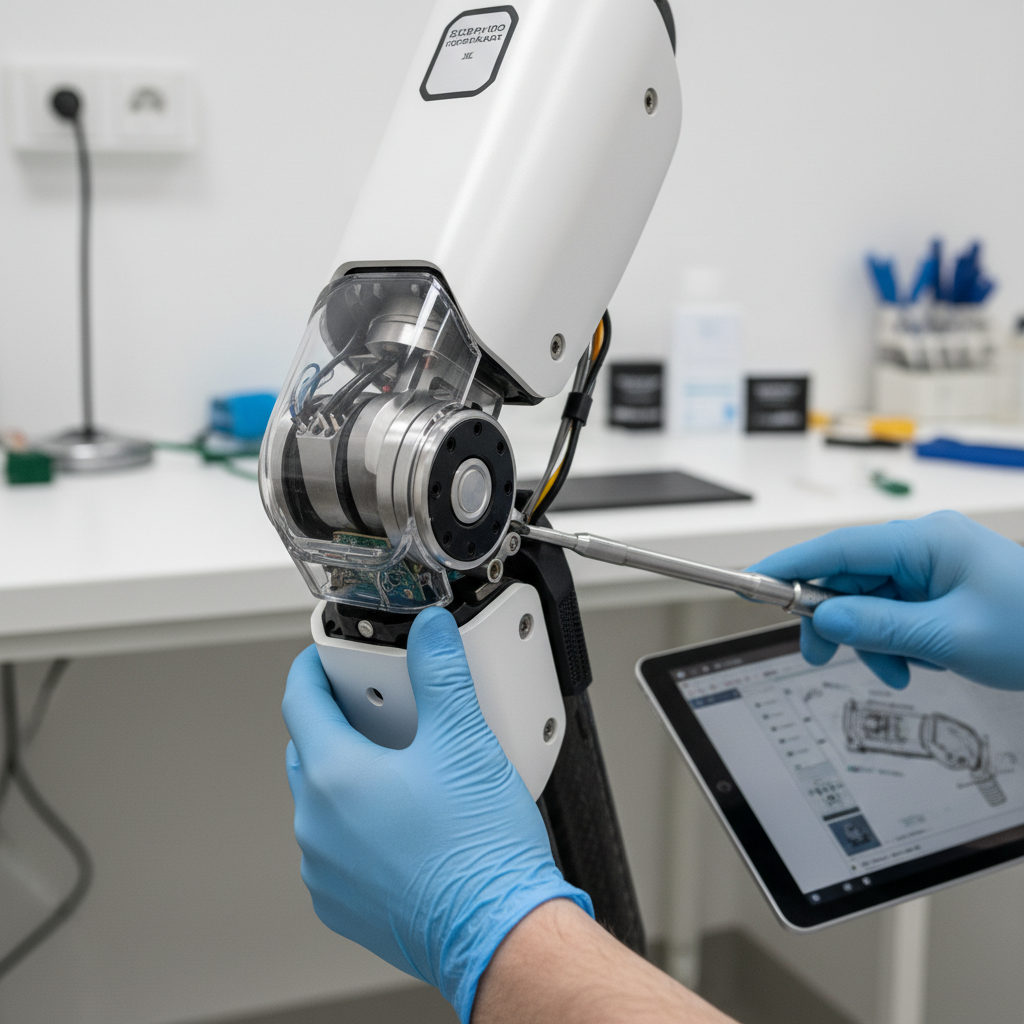
Advanced prosthetics with computer-controlled joints, microprocessor knees, or bionic features cost even more. These allow better mobility, reduced joint strain, and a more natural gait—but they’re expensive and often not covered by insurance. A microprocessor knee costs $20,000–$40,000. Powered prosthetic limbs can exceed $100,000.
Your amputation injury lawyer ensures your settlement must cover not just one prosthetic, but replacements every few years for the rest of your life. If you’re amputated at 30, you’ll need prosthetics for 50+ years. That’s 10–15 devices, each needing adjustment and repair. A proper life-care plan accounts for every replacement, every adjustment, and every new technology that becomes available.
Home and Vehicle Modifications
Wheelchair ramps, accessible bathrooms, widened doorways, and hand-control vehicles are necessities, not luxuries. These modifications cost $10,000–$100,000+. A fully accessible van with a lift and hand controls costs $50,000–$150,000.
A bilateral amputee (both legs) may need to modify their entire home for wheelchair access. Bathrooms need grab bars and roll-in showers. Kitchens need wheelchair-accessible counters and appliances. Bedrooms need space for maneuvering. Entryways need ramps or elevators.
Vehicles must be modified with hand controls for steering and braking, wheelchair lifts, and accessible seating. These modifications are expensive, but they’re the difference between independence and total dependence.
Lost Wages and Diminished Earning Capacity
Most amputees can’t return to their previous job. A construction worker becomes a desk worker. A nurse can’t stand for 12-hour shifts. Your earning capacity drops—sometimes permanently. Calculating lifetime lost wages requires expert analysis of your age, education, prior earning history, and realistic post-amputation job prospects.
A 40-year-old amputee with 25 years of career left might claim $500,000–$1,500,000+ in lost wages, depending on their industry and prior income. A 25-year-old with 40 years of work ahead might claim $1,000,000–$3,000,000+.
Your claim includes not just immediate lost wages, but lost promotions, lost benefits, and lost retirement contributions. A skilled vocational rehabilitation expert works with your attorney to project realistic post-amputation income and compare it to what you would have earned without the amputation.
Pain and Suffering, Loss of Enjoyment of Life
Georgia law recognizes that amputation causes more than financial loss—it causes psychological trauma, depression, social isolation, and a permanently diminished quality of life. These intangible damages are often worth as much as or more than economic losses.
You can no longer run, dance, hike, or play sports. You can’t feel sand between your toes or water on your skin. You struggle with body image, relationships, and self-esteem. These losses are real and measurable—courts understand them and award damages accordingly.
Practical rule: A lifetime cost calculation for amputation includes medical expenses, prosthetics, home/vehicle modifications, lost wages, therapy, and pain and suffering. Total damages often exceed $1–$3 million for a working-age amputee.
What to Do Immediately After an Amputation
The first hours after an amputation injury are critical—both for your survival and your legal case. Here’s what you must do.
Seek Emergency Medical Care
Call 911 immediately. Amputation is a life-threatening emergency. Modern trauma surgery can sometimes reattach limbs if they’re brought to the hospital quickly and preserved correctly. Even if reattachment isn’t possible, emergency care saves your life.
Preserve the Severed Limb (If Possible)
If the limb is available, rinse it gently with clean water, wrap it in a clean cloth, place it in a plastic bag, and surround it with ice—NOT dry ice. Place that bag in another bag with ice water. This gives surgeons the best chance of reattachment or salvage.
Don’t apply tourniquets, don’t soak the limb in liquid, and don’t delay medical care trying to preserve it. Your life comes first.
Document Everything
As soon as you’re medically stable, document what happened: photographs of the accident scene, the equipment or vehicle involved, and the circumstances. If you’re in the hospital, ask medical staff to photograph the injury site and preserve your medical records. Get the names and contact information of witnesses.
Preserve physical evidence. If the accident involved machinery, keep photos of the unguarded machine. If it was a vehicle accident, preserve photos of vehicle damage, skid marks, and road conditions. This evidence is critical to your case.
Don’t Give a Statement to the Other Party’s Insurance
Insurance adjusters will contact you quickly. Do not give them a recorded statement. Anything you say can be used against your claim. Tell them to contact your attorney. If you don’t have an attorney yet, contact Humphrey & Ballard Law immediately.
Practical rule: After an amputation, focus on survival first. Then preserve evidence, document everything, and hire an amputation injury lawyer before speaking to insurance.
Georgia Law and Amputation Injury Claims
For amputation injury claims, Georgia follows the legal principle of negligence: if someone’s careless actions caused your amputation, they owe you damages. But Georgia law also sets limits on recovery in some cases. An experienced amputation injury attorney understands these rules and fights for your full entitlement.
Proving Negligence in Amputation Cases
To win an amputation injury claim in Georgia, you must prove four elements: (1) the defendant owed you a duty of care, (2) they breached that duty through negligent or careless conduct, (3) that breach caused your injury, and (4) you suffered damages as a result.
In a truck accident case: the truck driver owed you the duty to drive safely, they breached that duty by speeding or ignoring traffic laws, their breach caused the collision, and you lost a leg. Each element is provable with evidence—police reports, witness statements, medical records, and expert testimony.
Comparative Fault
Georgia is a “comparative fault” state. If you were 10% at fault for the accident and the defendant was 90% at fault, you can recover 90% of your damages. Your amputation injury lawyer fights this. But if the jury finds you more than 50% at fault, you recover nothing. This is why expert investigation and witness credibility matter—you need strong evidence that the defendant bears primary responsibility.
Liability Caps and Damage Limits
Georgia has NO cap on personal injury damages for negligence cases. You can recover full economic and non-economic damages for amputation, no matter how high they are. This is different from some states that limit pain and suffering awards. In Georgia, a jury can award $2 million, $5 million, or more if the evidence supports it.
Wrongful Death If Amputation Is Fatal
If the injury-causing event resulted in death—either immediately or from amputation complications—your family has a wrongful death claim. Damages include funeral costs, lost financial support, and the family’s loss of companionship.
Practical rule: Georgia law holds the negligent party fully liable for amputation damages. There are no damage caps. You recover full medical costs, prosthetics, lost wages, pain and suffering, and loss of life enjoyment.
Working With an Amputation Injury Lawyer
Amputation injury cases are complex. They require medical expertise, accident reconstruction, lifetime cost analysis, and aggressive negotiation. The insurance company will have teams of lawyers and adjusters working to minimize your settlement. You need your own expert team.
Investigation and Evidence Gathering
An amputation injury attorney investigates every detail: police reports, medical records, witness statements, equipment maintenance records, and safety violation documentation. For vehicle accidents, we hire accident reconstructionists. For machinery cases, we get engineering experts. For workplace accidents, we examine OSHA records and safety procedures.
We also look for patterns. Did this manufacturer cause other amputations? Did this employer have a history of safety violations? Has this truck driver been in multiple accidents? These patterns strengthen your case and increase settlement value.
Medical Experts and Damages Calculation
We work with surgeons, prosthetists, vocational rehabilitation specialists, and life-care planners. These experts calculate your lifetime medical needs, prosthetic costs, home modifications, and lost earning capacity. A life-care plan is often 20–40 pages of detailed projections. Insurance companies respect expert-backed numbers.
Medical experts also document the pain and suffering associated with amputation. They testify about phantom pain, psychological impact, and quality-of-life loss. This expert testimony is critical in building a strong damages case.
Negotiation and Settlement
An experienced amputation injury lawyer knows most amputation cases settle, but only when the defendant knows you’re prepared for trial. We build a case so strong that they’d rather settle than risk a jury verdict. We handle all negotiation, so you focus on healing and recovery.
Trial Representation If Needed
If the insurance company refuses a fair settlement, we go to trial. Amputation cases generate sympathy and strong jury verdicts because the injuries are visible and catastrophic. We tell your story powerfully so jurors understand the lifetime impact of your amputation.
Practical rule: Hire an amputation injury lawyer who has won or settled amputation cases before. Experience and reputation push insurers to offer fair settlements quickly.
Amputation Injury Evidence & Documentation
Your amputation injury lawyer knows that building a strong amputation case requires detailed, organized documentation. Everything from medical records to accident scene photos matters. Here’s what evidence typically supports amputation injury claims.
Medical Records and Expert Reports
Your hospital records, surgeon’s notes, and discharge summaries prove the injury happened and quantify the trauma. Medical expert reports detail your prognosis, ongoing care needs, and lifetime costs. These documents form the factual foundation of your case.
Prosthetic and Rehabilitation Documentation
Prosthetist reports, fitting records, and prescriptions establish lifetime prosthetic needs. Physical therapy records document rehabilitation progress and long-term adaptation challenges. These materials quantify your ongoing medical requirements and out-of-pocket expenses.
Accident Scene and Liability Evidence
Police reports, witness statements, photographs, and video footage establish how the accident happened and who was at fault. Equipment maintenance records, OSHA citations, and safety violation documentation prove negligence. The stronger your liability evidence, the higher the settlement.
Practical rule: Every piece of documentation—medical, prosthetic, financial, evidentiary—strengthens your claim. Organize it chronologically and preserve the originals.
Educational Video: Amputation Injury Compensation Claims
FAQ: Amputation Injury Claims
| Question | Answer |
|---|---|
| How long do I have to file an amputation injury claim in Georgia? | Georgia has a two-year statute of limitations for personal injury claims. This means you must file a lawsuit within two years of the amputation. If you miss this deadline, you lose your right to sue. Don’t wait—contact an attorney immediately. |
| What if I was partially at fault for the accident? | Georgia’s comparative fault law allows you to recover even if you were partially at fault—as long as you’re not more than 50% at fault. If the defendant was 75% at fault and you were 25% at fault, you recover 75% of your damages. An attorney fights to minimize any fault assigned to you. |
| How much can I recover for an amputation injury? | Recovery depends on the limb lost, your age, your prior income, and the defendant’s liability. A young worker who lost a leg might recover $1–$3 million+. Economic damages (medical, prosthetics, lost wages) are calculable. Non-economic damages (pain, suffering, loss of life enjoyment) are unlimited in Georgia. |
| Do I have to go to trial? | No. Most amputation cases settle before trial. We negotiate aggressively and use expert evidence to demonstrate your damages. If settlement isn’t fair, we’re prepared to present your case to a jury. You’re never forced to accept an unfair offer. |
| What if the amputation happened at work? | Worker’s compensation covers medical costs and partial lost wages, but typically caps benefits at around two-thirds of your prior income. However, if your employer or a third party was negligent, you have a personal injury claim in addition to workers’ comp. An attorney helps you pursue both. |
| How long does an amputation case take? | Simple cases with clear liability might settle within 6–12 months. Complex cases with multiple parties or contested liability can take 2–3 years. We move quickly without rushing—your case deserves thorough investigation and negotiation. |
Rebuild Your Life After Amputation
An amputation changes everything. It forces you to redefine yourself, rebuild your career, and navigate a world that wasn’t designed for your new reality. But financial recovery gives you the resources to do that. Medical advances, prosthetic technology, and rehabilitation programs make it possible to reclaim independence and purpose.

The settlement you win isn’t just money—it’s recognition that someone was responsible for taking your limb, and they must pay for that loss. It’s funding for the prosthetics, physical therapy, home modifications, and career retraining you need. It’s security knowing your medical care is covered for life.
At Humphrey & Ballard Law, we’ve helped amputation victims fight back and rebuild. Our amputation injury lawyer team understands the medical complexity, the emotional weight, and the financial reality of living with permanent disability. Contact us today for a free consultation with an amputation injury lawyer who will fight for your full recovery.
Practical rule: After amputation, your priority is healing. Let an expert amputation injury attorney handle the legal battle while you focus on rebuilding your life.
Contact Humphrey & Ballard Law for Your Amputation Injury Claim
Don’t face your amputation recovery alone. Our experienced amputation injury lawyer team—Desmond Humphrey and David Ballard—have spent years fighting for catastrophic injury victims. We handle every detail of your case—investigation, negotiation, expert coordination, and trial representation. Our job is to secure the settlement you deserve so you can focus on healing and rebuilding your life.
Call Humphrey & Ballard Law today at (404) 446-9854 for a free, confidential consultation. We work on contingency—you pay nothing unless we win your case. Contact us online anytime to schedule your consultation.
About Humphrey & Ballard Law
Humphrey & Ballard Law is an Atlanta-based personal injury law firm dedicated to representing catastrophic injury victims—amputation, spinal cord injury, traumatic brain injury, and wrongful death. Desmond Humphrey and David Ballard bring decades of combined trial experience and a proven track record of securing multi-million-dollar settlements and verdicts for their clients. We serve greater Atlanta and all of Georgia. We are licensed by the State Bar of Georgia and committed to aggressive, ethical representation of injured victims and their families.
