You are probably dealing with severe pain, lost wages from time off work, mounting medical bills, and uncertainty about your future after a construction accident. The right construction accident lawyer makes the difference between struggling through recovery and securing full compensation for your injuries. Construction accidents happen on active job sites where heavy equipment, elevated heights, hazardous materials, and complex safety regulations create constant risk. If your employer, a general contractor, a subcontractor, an equipment manufacturer, or a site owner caused your injury through negligence or safety violations, you have legal options — and aggressive pursuit of every responsible party is the standard that protects your rights and maximizes your recovery.
Construction accidents are fundamentally different from standard workplace injuries because the multi-party liability structure creates numerous opportunities for recovery that single-party accidents do not offer. Understanding your rights after a construction accident is essential to protecting your financial future.
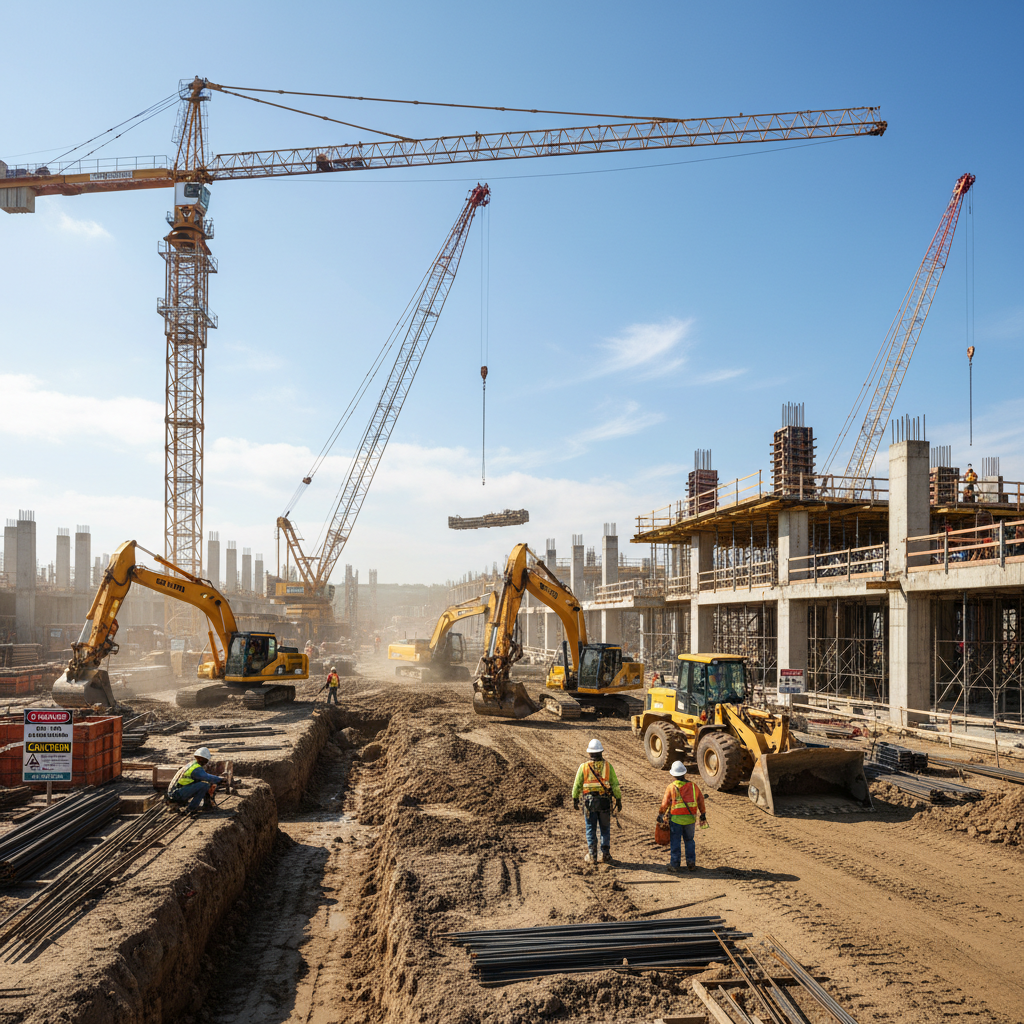
Why Construction Accidents Demand Specialized Legal Help
Construction sites are among the most dangerous workplaces in America. The Occupational Safety and Health Administration (OSHA) regulates construction safety nationwide through specific standards for fall protection, equipment operation, hazard communication, electrical safety, and site safety protocols. Every violation of those standards is direct evidence of negligence — and many construction accidents result from multiple OSHA violations that contractors ignore to save money.
A construction accident attorney who specializes in construction cases knows how to:
- Obtain official OSHA inspection reports and violation records from the accident site
- Identify specific safety violations that directly caused your injury
- Access workers’ compensation records and cross-claim options against third parties
- Build third-party liability cases against contractors, subcontractors, equipment manufacturers, and site owners simultaneously
- Calculate damages including lost wages, lost earning capacity, medical expenses, pain and suffering, and permanent disability
Practical rule: Construction accidents create multiple avenues for recovery. A construction accident lawyer ensures you pursue every responsible party — not just workers’ compensation, and not just your direct employer.
Common Types of Construction Accidents in Georgia
Every construction accident is caused by negligence, inadequate safety protocols, equipment failure, or combinations of these factors. Understanding your specific injury type is the first step toward identifying all liable parties and calculating fair damages. Construction accident victims suffer injuries ranging from temporary disabilities to permanent, life-altering conditions that affect their earning capacity and quality of life for decades.
Falls from Heights
Falls from heights — including roofing work, scaffold work, ladder work, and work on elevated platforms — cause the highest number of construction accident fatalities. OSHA requires fall protection systems when working above 6 feet, including harnesses, guardrails, safety nets, and warning lines. Falls that could have been prevented with proper equipment indicate direct employer negligence.
Falls from heights often produce spinal cord injuries causing permanent paralysis, traumatic brain injuries causing cognitive damage, multiple fractures, internal organ damage and internal bleeding, and fatalities. A construction worker falling from a 30-foot roof experiences the same impact force as a car crash at 60 mph.
Equipment and Machinery Injuries
Heavy equipment operates constantly on job sites: excavators, forklifts, dump trucks, concrete pumps, and power tools. Operator error, inadequate training, missing safety guards, defective equipment, and blind spots cause crushing injuries, amputations, electrocution, and fatalities. Equipment injuries often result in amputation of fingers, hands, arms, or legs, crushing injuries to limbs and organs, traumatic brain injuries from impact, permanent disability, and loss of earning capacity.
If the equipment was defective, lacked proper safety guards, or had a design flaw, the manufacturer is liable under product liability law — independent of operator conduct. Even if an operator made a mistake, a properly-designed and properly-guarded machine would not have caused the injury.
Electrocution and Electrical Injuries
Electrical hazards on construction sites include live wires, damaged extension cords, wet conditions, improper grounding, and equipment operated in unsafe electrical environments. OSHA electrical standards require GFCIs (ground-fault circuit interrupters), proper grounding, safe work practices, and comprehensive training. Electrocution injuries often result in cardiac arrest and heart damage, severe thermal and electrical burns, neurological damage affecting motor control, respiratory failure requiring life support, and death.
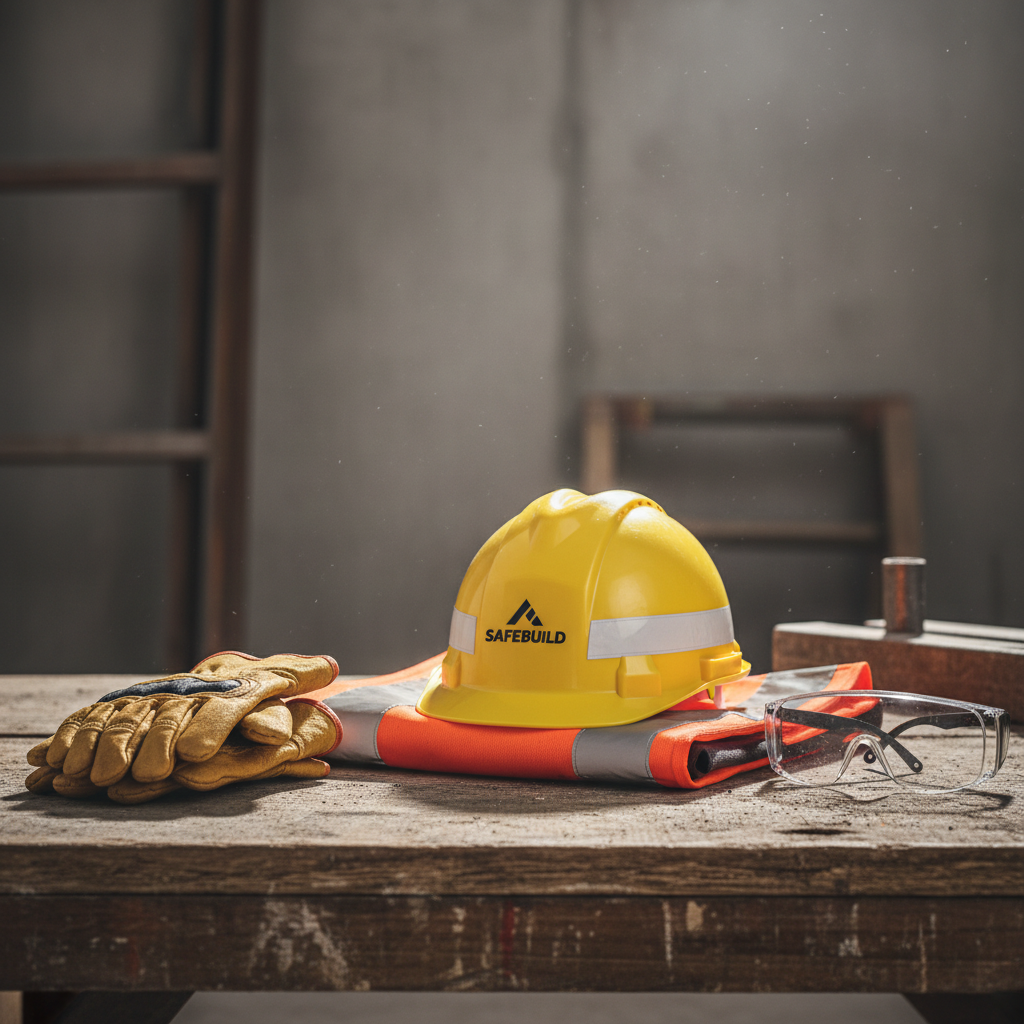
Practical rule: Every construction accident reveals either safety violations, equipment defects, or inadequate training. Your attorney must identify which parties are responsible — and multiple parties are typically liable in serious cases.
Georgia Workers’ Compensation vs. Third-Party Claims
If you are injured on a Georgia construction site, you are likely covered by workers’ compensation insurance. But workers’ compensation alone is NOT your only remedy — and in many cases, it is not your primary remedy. Workers’ compensation benefits, while important, are often insufficient to cover the full impact of a serious construction accident.
Workers’ Compensation Benefits: Limited Recovery
- Covers all reasonable medical treatment and related care
- Provides wage replacement at two-thirds of your average weekly wage
- No fault required — you receive benefits regardless of who caused the accident
- BUT: benefits are limited in duration and amount
- Does NOT cover pain and suffering
- Does NOT cover permanent disability awards in most cases
- Often provides insufficient income replacement for workers with families
Third-Party Claims: Full Recovery Available
- Available when someone OTHER than your direct employer caused the injury
- Awards are unlimited — covering all damages including pain and suffering, lost earning capacity, permanent disability, disfigurement, and loss of enjoyment of life
- Do not replace or reduce workers’ compensation benefits — they work in parallel
- Often include punitive damages if the defendant’s conduct was grossly negligent
- Protect your family’s financial future for decades
Practical rule: Workers’ compensation and third-party claims work in parallel. You do not choose between them — you pursue both, maximizing your total recovery and protecting your family’s financial security.
Who Is Liable in a Construction Accident?
Construction sites typically involve multiple liable parties. Identifying every responsible party is not optional — partial liability claims leave significant compensation on the table. Missing even one liable party reduces your total recovery by thousands or hundreds of thousands of dollars.
The General Contractor: Primary Liability
The general contractor has primary responsibility for overall site safety. They must maintain a safe work environment, provide proper equipment including fall protection and respiratory protection, ensure OSHA compliance across all subcontractors, develop and enforce written safety plans, and conduct daily safety inspections. If they failed in any duty, they are directly liable — and this liability continues even if a subcontractor was also negligent.
Subcontractors, Equipment Manufacturers, and Property Owners
Subcontractors have safety obligations for their specific work, including proper equipment operation, safety protocol compliance, hazard reporting, and worker training. Equipment manufacturers are liable for defective design, missing safety features, inadequate warnings, and product failure. Property owners are liable for failing to communicate known site hazards or maintain safe premises.
Practical rule: Construction accidents almost always involve multiple liable parties. Full recovery requires investigating every connection and relationship on the site — and holding every negligent party financially accountable.
Georgia Construction Accident Law: Your Legal Rights
Georgia law creates specific rules for construction accident liability and damages. Understanding these rules is the difference between partial recovery and full compensation for your injuries and losses.
Modified Comparative Negligence: Your Protection
Georgia follows modified comparative negligence under OCGA § 51-12-33. If you were partially at fault, your recovery is reduced proportionally — but only if your fault is below 50%. If you are found to be 50% or more at fault, you recover nothing. However, construction sites have heightened duty standards, so contractor negligence typically outweighs worker conduct in court.
OSHA Violations as Evidence of Negligence
OSHA violations are admissible as evidence of negligence in Georgia courts. A contractor’s violation of an OSHA safety standard is per se negligence — meaning the violation itself proves carelessness without requiring additional proof of how the violation occurred.
No Damage Caps: Georgia Law Favors Injured Workers
Georgia does NOT have damage caps for personal injury claims, unlike many states. You can recover full medical expenses (past and future), lost wages and lost earning capacity, pain and suffering (no cap), permanent disability and disfigurement (no cap), loss of enjoyment of life, and punitive damages in cases of gross negligence.
Practical rule: Georgia law favors injured construction accident victims. OSHA violations are strong evidence, damage awards are not capped, and you can recover for the full impact of your injury on your life.
How a Construction Accident Lawyer Helps You Recover
After a construction accident, insurance companies will contact you quickly with the goal of settling for minimum compensation before you understand the full extent of your injuries. A construction accident lawyer protects you by managing all communication, conducting thorough investigation, obtaining critical evidence, and calculating fair damages.
- Managing all communication with insurers, contractors, and liable parties
- Conducting a full, independent investigation of the accident site and equipment
- Obtaining OSHA records and expert analysis of safety violations
- Coordinating with medical providers to ensure complete injury documentation
- Consulting with expert witnesses to establish negligence
- Calculating fair damages based on your actual losses and permanent injuries
- Filing suit if fair compensation is refused
- Representing you in mediation and trial
You do not pay attorney fees unless we recover compensation for you. Most construction accident attorneys work on contingency, meaning the law firm covers all costs upfront and is paid only if your case succeeds.

Practical rule: Insurance companies move fast after construction accidents. Having legal representation immediately protects your rights, prevents low-ball settlements, and ensures your claim is filed properly within all deadline requirements.
Construction Accident Settlements: Timeline and Expectations
What to Expect: From Accident to Settlement
Within 7-14 days: Your attorney sends a preservation demand to all liable parties, requiring them to preserve evidence — photos, videos, records, documents. Failure to preserve evidence can result in sanctions or destruction-of-evidence findings.
Within 30-60 days: Investigation begins. OSHA reports are obtained, medical treatment is reviewed, equipment is examined, and witnesses are interviewed while memories are fresh.
Within 60-90 days: Demand letter is sent to the insurer with evidence of negligence, injury documentation, and damages calculation.
Within 6-9 months: If fair offer is made, settlement occurs. If not, suit is filed in Georgia court.
Within 12-24 months: After suit, discovery produces evidence, expert reports are exchanged, and mediation occurs.
Trial (if necessary): Cases that don’t settle proceed to trial within 2-3 years, depending on court schedules.
Practical rule: Construction accident cases move quickly through initial investigation but may take 2-3 years if trial is necessary. Workers’ compensation benefits are paid throughout, providing financial support during the process.
Recovering Full Compensation for Your Construction Accident
Injuries from construction accidents are severe and life-altering. You deserve full compensation from every party whose negligence caused your harm. Humphrey & Ballard Law has recovered millions of dollars for construction workers injured on Georgia job sites. We know how to investigate these cases thoroughly, identify every liable party, and pursue aggressive recovery for our clients.
Construction accident claims require knowledge of OSHA regulations, workers’ compensation law, product liability, and premises liability. Our attorneys have that expertise and experience. We represent clients injured by falls, equipment failures, electrocution, chemical exposure, struck-by incidents, and all types of construction accidents.
You do not pay unless we recover compensation for you. Contact Humphrey & Ballard Law today for a free case evaluation and learn how we can help you recover full compensation.
Construction Accident Liability Guide: By the Numbers
| Negligent Party | Type of Liability | Typical Evidence | Damages Available |
|---|---|---|---|
| General Contractor | Direct liability for unsafe site | OSHA violations, safety plan failures, inadequate equipment | Unlimited |
| Subcontractor | Direct liability for negligent operation | Training records, OSHA violations, equipment operation failures | Unlimited |
| Equipment Manufacturer | Product liability — defective design | Equipment defects, design flaws, missing safety features | Unlimited |
| Property Owner | Premises liability for hazard | Knowledge of hazard, failure to warn, hazard communications | Unlimited |
| Co-Worker’s Employer | Vicarious liability for employee negligence | Employment relationship, negligent hiring/training/supervision | Unlimited |
Frequently Asked Questions About Construction Accidents
| Question | Answer |
|---|---|
| Do I get workers’ comp AND sue a third party? | Yes. Both remedies work in parallel. Workers’ comp provides immediate benefits while you pursue third-party recovery for full damages. |
| How long do I have to sue? | Georgia’s statute of limitations is 2 years from the date of injury. File suit before this deadline or you lose the right to recover. |
| What if I was partially at fault? | Georgia’s modified comparative negligence allows recovery if you are less than 50% at fault. Your damages are reduced by your percentage of fault. |
| How much is my claim worth? | Depends on injury severity, lost wages, medical expenses, and permanent disability. Serious cases often settle for $50,000 to $500,000+. |
| Should I accept the first offer? | Usually no. Insurance companies make low offers before you understand the full extent of your injuries. An attorney ensures fair compensation. |
| Do I pay attorney fees upfront? | No. Construction accident attorneys work on contingency. You pay fees only if we recover compensation. |
Get Help Now: Atlanta Construction Accident Lawyer
If you have been injured in a construction accident on a Georgia job site, do not delay. Evidence disappears, witnesses’ memories fade, and statutes of limitations apply. The sooner you contact an attorney, the sooner we begin protecting your rights and building your case for maximum recovery.
Humphrey & Ballard Law represents construction workers injured in all types of accidents. We have recovered millions in compensation for clients whose negligent contractors, manufacturers, and site owners caused serious injury.
You do not pay unless we win. Contact us today for your free, confidential case evaluation.
Phone: (404) 446-9854
Website: Humphrey & Ballard Law
Request a Consultation: Contact Us
About Humphrey & Ballard Law
Humphrey & Ballard Law is a personal injury law firm serving Atlanta and Georgia. We represent clients injured in construction accidents, vehicle collisions, slip and fall incidents, medical malpractice, wrongful death, amputation injuries, and traumatic brain injury cases. Our attorneys, Desmond Humphrey and David Ballard, are dedicated to securing full compensation for injured Georgians. We serve clients throughout metro Atlanta and surrounding areas.
Call for a Free Case Evaluation: (404) 446-9854
Critical Evidence in Construction Accident Cases
Building a strong construction accident case requires evidence that must be obtained quickly. Some evidence disappears or is destroyed shortly after an accident, either through normal site operations or intentional destruction. Evidence preservation is critical to your case’s success.
Evidence to Secure Immediately at the Accident Scene
- Photos and video from multiple angles, including hazards and safety equipment or lack thereof
- Photos and video of your injuries and treatment
- Names and contact information for all witnesses, including other workers, supervisors, and bystanders
- The contractor’s name, company, and insurance information from their documentation
- OSHA incident number if an OSHA inspection was called to the scene
- Any written safety protocols, site safety plans, or safety training materials you were given
- Your employment contract, job description, and training documentation
- The specific equipment involved — model number, manufacturer, age, maintenance history
Evidence Your Attorney Will Obtain Through Subpoena
- Official OSHA inspection reports and violation records from the accident site
- Prior OSHA citations or violations for the contractor or site
- The contractor’s workers’ compensation insurance policy information
- Workers’ compensation claims history for the contractor
- Equipment maintenance and inspection records
- Manufacturer specifications, warnings, and safety documentation
- Contractor licensing, bonding, and insurance verification
- Surveillance video or security footage from the job site
- Site safety inspection reports conducted before your accident
- Your complete medical records and treatment documentation
- Incident reports filed by the contractor or site supervisor
- Training records and certifications for equipment operators involved
- Prior accident reports or injury claims at the same site
Practical rule: OSHA reports are public records accessible immediately. Equipment records and contractor safety histories may require subpoena — but they are discoverable in litigation and critical to your case.
Types of Injuries from Construction Accidents
Construction accident injuries range from temporary disabilities to permanent, catastrophic conditions. Understanding the severity of your injury helps calculate appropriate damages.
Permanent and Catastrophic Injuries
Spinal cord injuries from falls or crushing trauma cause permanent paralysis, loss of bowel/bladder control, sexual dysfunction, chronic pain, and lifelong medical care needs. Victims often require wheelchair accessibility modifications, specialized medical equipment, and daily assistance. Traumatic brain injuries cause cognitive damage, behavioral changes, memory loss, emotional instability, and permanent disability that affects employment and relationships.
Amputations from equipment accidents mean permanent loss of limbs, chronic pain, loss of earning capacity, and psychological trauma. Amputation victims face years of prosthetic rehabilitation and adaptation. Crushing injuries destroy tissue, bone, and organs, requiring multiple surgeries, prolonged hospitalization, and permanent functional limitations.
Practical rule: Catastrophic injuries from construction accidents produce lifetime damages. Your compensation calculation must account for decades of medical care, lost earning capacity, and pain and suffering.
OSHA Regulations and Contractor Violations
OSHA construction standards are detailed and specific. Common violations that lead to construction accidents include failure to provide fall protection systems despite working above 6 feet, failure to train workers on equipment operation and safety protocols, failure to maintain equipment in safe working condition, failure to implement hazard communication protocols for toxic materials, and failure to provide personal protective equipment like harnesses, helmets, and respiratory protection.
Contractors who knowingly violate OSHA standards create direct liability. Many contractors violate standards because they save time and money — they ignore safety requirements, skip mandatory training, reuse damaged equipment, and fail to inspect sites regularly. OSHA standards exist because workers died to prove these protections are necessary. When contractors violate them, the risk of construction accident injuries increases dramatically.
Why You Need an Experienced Construction Accident Lawyer
General personal injury attorneys do not have the specialized knowledge required for serious construction accident cases. Construction law involves OSHA regulations, workers’ compensation law, product liability, multi-party litigation, and detailed technical knowledge of construction equipment and processes. Missing these specialized skills costs you compensation.
A construction accident attorney understands OSHA standards and can immediately identify violations from accident scene descriptions. They know how to access OSHA public records and interpret official inspection reports. They understand the legal structure of contractor liability, manufacturer liability, and third-party liability. They have relationships with expert witnesses — engineers, equipment specialists, OSHA consultants — who can testify about negligence and causation.
Most importantly, construction accident lawyers understand that construction accident cases are worth substantially more than general injury cases. A serious fall injury on a construction site typically produces six-figure to seven-figure recovery because it involves permanent disability, lost earning capacity over a lifetime, and multiple liable parties. General attorneys often settle these cases for a fraction of their true value because they don’t understand the specialized damages calculation.
Practical rule: Construction accident cases are too complex and valuable to entrust to general attorneys. You need a lawyer who specializes in construction injury law and understands OSHA standards, equipment liability, and multi-party litigation.
Contact an Atlanta Construction Accident Lawyer Today
Do not accept inadequate compensation or negotiate alone with insurance companies. Contact Humphrey & Ballard Law and let our experienced construction accident attorneys fight for your rights. We have recovered millions in compensation for injured construction workers, and we are ready to pursue maximum recovery in your case.
Your call is free, your consultation is confidential, and you pay nothing unless we win. Call (404) 446-9854 today.
